Mark Lemon, the founding editor of Punch magazine and one of the most influential figures in Victorian publishing, spent the final twelve years of his life in Crawley. He died at his High Street home in May 1870, having transformed both British satire and the town he came to call home.
From London Satire to Crawley Sanctuary
Mark Lemon was born on 30 November 1809 in Marylebone, Westminster, and rose to prominence as a playwright and writer before conceiving what would become Britain's most enduring humorous publication. In 1841, alongside Henry Mayhew, he founded Punch magazine. The first issue appeared in July of that year. Lemon served as joint editor with Mayhew until 1842, then remained as sole editor until his death nearly three decades later.
In 1858, Lemon moved to Crawley, taking up residence at Vine Cottage on the west side of Crawley High Street. The property sat precisely on the historic boundary between Ifield and Crawley parishes, placing Lemon at the intersection of two communities. He would live there until his death on 23 May 1870.
A Commuter Before the Commuter Age
Despite moving to what was then a small market town, Lemon maintained his editorial duties in London. British History Online records that he travelled from Crawley station to the capital two or three times per week, making him an early example of the rail commuters who would later define the town. The railway had arrived in Crawley in 1848, a decade before Lemon's move, and he made full use of the connection to keep Punch running whilst enjoying provincial life.
The 'Father of Crawley'
Lemon's impact on Crawley extended far beyond his presence. He earned the title "Father of Crawley" through sustained civic involvement and patronage. In 1863, he organised and personally funded festivities at The George Hotel and the White Hart Inn to celebrate the wedding of Edward, Prince of Wales and Princess Alexandra of Denmark.
His contributions to local cultural life were substantial. Records indicate he organised amateur concerts, theatricals, penny readings, and two art exhibitions. He was instrumental in establishing the volunteer fire brigade and the cricket club during the 1860s, helping to build the social infrastructure of the growing town.
Worship and Final Rest
Lemon regularly attended St John the Baptist's Church on Crawley High Street, which stood closer to his home than the parish church at Ifield. Contemporary accounts note that due to his substantial girth, he sat in the gallery rather than the pews below.
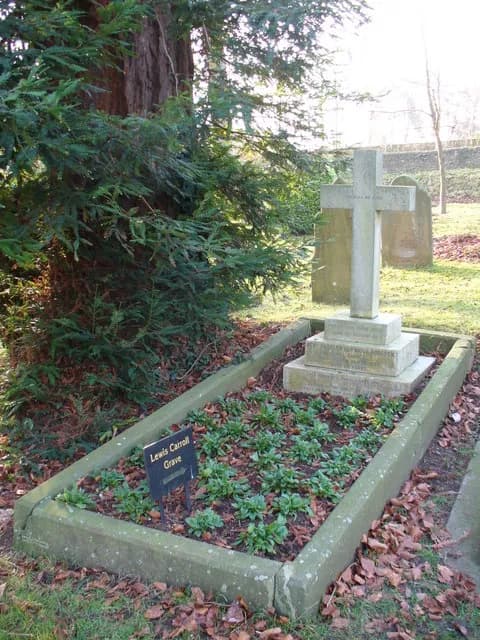
He is buried at St Margaret's Church in Ifield, where his grave remains a notable feature of the churchyard. The burial site stands as a physical reminder of the town's connection to one of the 19th century's most significant publishing figures.
Visible Reminders
Today, Crawley retains visible connections to its most famous resident. A blue plaque outside The George Hotel on High Street commemorates Lemon's time in the town. The hotel itself, where he organised royal wedding celebrations, stands as one of the historic buildings linking modern Crawley to its Victorian past.
Lemon's legacy bridges two worlds: the London literary scene he helped define through Punch, and the Sussex market town where he chose to build his later life. His story illustrates how the railway age allowed prominent Victorians to combine metropolitan careers with provincial residence, and how their patronage could shape the cultural development of towns like Crawley.